Will Sleep Training Work for a Sensitive Toddler?
Your toddler notices everything. The towel that's a different color than usual, the two minutes you were late getting home, the tone in your voice when you're stressed, even if you never raised it. That same sensitivity that makes them so attuned to the world doesn't disappear at bedtime; it's often exactly why bedtime has been so hard. The good news: sleep training can absolutely work for a sensitive toddler. What changes isn't whether it works, it's how you get there.
What “Sensitive” Actually Looks Like
A sensitive toddler tends to pick up on small shifts most kids wouldn't register at all, a different bedtime song, a rushed goodnight, a skipped step in the routine. They often need more time to calm down once they're upset, they ask more questions about what's coming, and they feel their own emotions, and yours, more intensely than other kids their age. All of that tends to show up hardest right at bedtime, since bedtime asks for more stillness, more separation, and more sitting alone with big feelings than almost any other part of the day.
Why Generic Advice Can Miss the Mark
Most generic sleep training advice you find on Google is written for an average pace, change introduced quickly, a few nights of protest expected, then done. That timeline doesn't leave much room for a child who needs more time to process what's happening before it happens. It's not that a sensitive child can't handle sleep training, it's that moving too fast or explaining too little turns an already big feeling into an overwhelming one. The sleep training method isn't usually the problem. The pace and the delivery are.
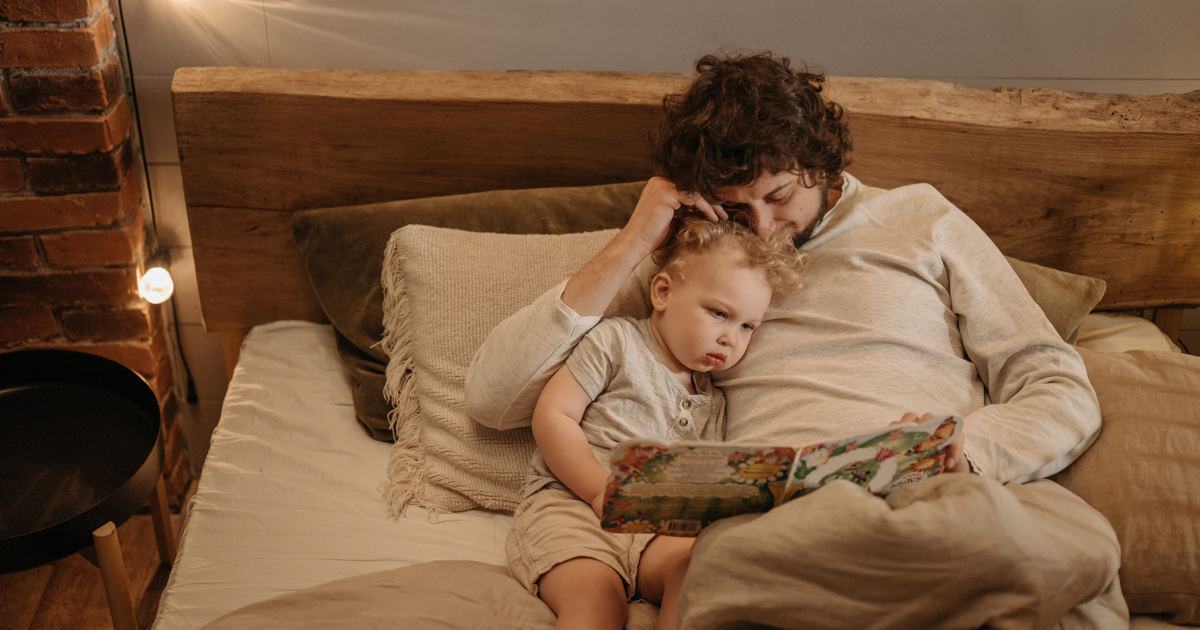
What a Plan Built for a Sensitive Toddler Actually Looks Like
A few things are very important to take into account when sleep training a sensitive toddler. Every part of the plan needs to be introduced more gradually and with more warning. Instead of announcing a new bedtime routine tonight and then implementing it right away, we walk your child through what's coming over several days first. We check in on how they're actually responding as we go and adjust the pace instead of sticking to a fixed timeline that was never built for them specifically. And we give your child small pieces of control where we can, a choice between two stuffed animals, which book comes first, so the change doesn't feel like something happening to them without any say.
Where the Prep Plan Comes In
This is exactly the kind of situation my Ready, Set, Sleep Prep Plan™ was built for. Before we touch a single thing about how your child falls asleep, we spend time getting them mentally and emotionally ready first, which matters even more for a sensitive kid who needs to feel prepared, not surprised. Every toddler plan I build starts with the Prep Plan, walking your child through what's coming in small, manageable steps before we ever change the routine itself. The Prep Plan includes daytime separation games, social stories, calming strategies practiced during the day that can then be used during sleep training, and so much more. For a sensitive child, this prep step tends to make the biggest difference between a change that lands hard and creates more pushback and one that lands gently and creates less resistance.
What About Crying?
A sensitive toddler doesn't necessarily cry more during sleep training than any other toddler, but when they do cry, it can feel more intense simply because they feel everything more intensely. That's a difference in how big the feeling looks on the outside, not a sign that the plan isn't working. If crying is what's held you back from starting, “Will There Be Crying With Toddler Sleep Training?” walks through that in more detail.
Ready to Build a Plan That Actually Fits Your Kid?
If you've held off on sleep training because your child feels things so deeply that you're worried about doing more harm than good, book your free 15-minute discovery call and let's talk about a pace and plan that's actually built for your sensitive kid.